
7 Years Ago

BP using Blockchain technology in the power sector

Julian Gray, Technology Director in the Digital Innovation Organisation department in BP, told a packed room at the Blockchain Expo conference in Amsterdam this week that BP are looking to be a “Digital Energy Company”. Julian said that BP think of Blockchain in just five words-

“Trusting People Over The Internet”

He spoke about a number of projects BP are involved in, that use Blockchain technology.

Continuing with the theme of “Collaborative capitalism”(i.e like LVMH for luxury goods and Maersk’s Tradlens for the shipping industry), BP has invested and helped develop a Blockchain-powered, commodity trading platform,...

How Russia could benefit from considers Digital Assets

The Chair of Russia’s Central Bank, Elvira Nabiullina, has admitted that various central banks are investigating the possibility of issuing a Central Bank-backed Digital Currency. The general stance in Russia towards Digital Currencies seems to be softening, as it had been very anti these assets. It was only just last week in Russia the Central Bank admitted that it would consider using a Cryptocurrency, backed by gold, for international settlements. Russia currently holds over $492 billion of goldwhich, if Digitised, some could be used to settle outstanding international debts and be a way...

Visa, who according to Forbes, handled over $11.2 trillion of payments in 200+ countries last year, is now looking to attack the international money transfer market - which is said to be valued at over $125 trillion.

Since 1973, Society for Worldwide Interbank Financial Telecommunications (SWIFT), headquartered in Belgium, has dominated the market for international payments. However, SWIFT uses old technology, making it relatively slow and expensive to move money around the world, which is why Ripple is arguing that it is able to replace SWIFT, as Ripple’s Blockchain-powered solution is so much faster and cheaper. If indeed Ripple is successful, it would make the business extremely valuable. This may explain why Ripple rose in value by over 35,000% in 2017 and caught the imagination of many Crypto-enthusiasts, as well as sparking a wave of “Fear of...


#FrontierInsights
Cryptocurrency
Digital Money
Digital Assets
In order for institutions to be fully engaged with Digital Assets, they are going to need a third party to look after their assets - a role which has historically been provided by custodians.

The regulators in most jurisdictions insist that the organisations that manage your funds have to be independent of the entity that physically looks after the assets.

The good news is that the options and choices for those looking for custody solutions for their Digital Assets continue to evolve. Metaco has announced that it is using Aon (the world’s second-largest insurance broker) and a group of Lloyds of London underwriters, as they are now able to offer “crime-protection” insurance for Digital Assets held in Metaco’s Crypto-wallet. This means that clients’ Digital Assets will be protected, both when their assets are stored “hot”...


#FrontierInsights
Regulators
Securities
Digital Assets
Target, who is the eighth largest retailer in the USA, has been working with Hyperledger, IBM, and Bitwise to use Blockchain technology, initially to help it improve its supply chain logistics for a number of its paper products.

Target is also looking at using Hyperledger as it is used by Cargill, who is one of Target’s main food suppliers. In a recent blog, Joel Crabb, at Target said “Working directly with one of our largest food suppliers will allow Target and all other participants to learn from one another as blockchain technologies mature. This also gives us an instant use case in determining which data to share and how to govern a multi-enterprise, blockchain-backed distributed ledger.”

Once again, as we have seen in the luxury goods sector with LVMH and the shipping sector with Tradelens, Target is looking to...


#FrontierInsights
Blockchain
Supply Chain
Retail
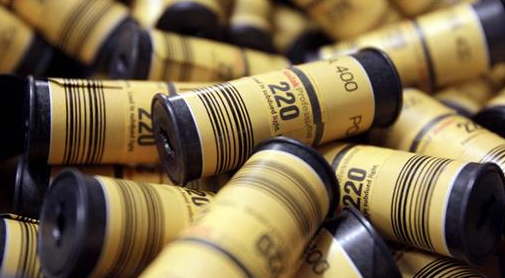
In January 2018, KodakOne announced that it was going to launch the Kodak coin and, as a result, Kodak Inc share price went up 120%.

The basic idea behind KodakCoin is to use Blockchain technology to help photographers manage their photos by creating permanent, immutable records of ownership. It was believed that KodakOne would make it significantly cheaper and faster to register and sell digital images. The Platform was said to offer a simple, transparent Blockchain-powered worldwide royalty accounting, licensing, and payment system. The KodakCoin was never a part of Kodak Inc but was a separate company that licensed its name from Kodak Inc. While KodakCoin’s Initial Coin Offering (ICO) never proceeded, a year on, KodakCoin has generated over $1million in revenue in its beta-test...


#FrontierInsights
Blockchain
Cryptocurrency
Digital Assets
The images below highlight the dramatic results earlier this year in the Philippines, when over 45 tonnes of plastic and rubbish were collected off a beach in Manila Bay.

Plastic Bank and Bounties Network have been encouraging people to collect rubbish and plastic and rewarding the collectors by paying them in Ethereum (a Cryptocurrency). These two companies then partnered with a local Philippine cryptocurrency firm, which itself took the Ethereum and converted it into the Philippine peso.

SC Johnson, the makers of Raid, Pledge, Kiwi, Glade, etc, has been involved in a number of projects in Indonesia, where it has been giving away Digital currencies in exchange for local villages to collect plastic waste. According to a press release, SC Johnson teamed up with Plastic Bank to establish eight plastic...


#FrontierInsights
Cryptocurrency
Token
Pollution


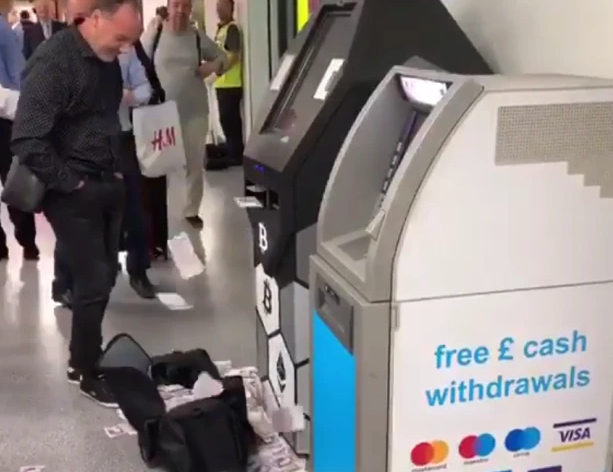
At Bond Street underground station recently, what the Americans call an Automatic Teller Machine (ATM) or a cash point machine in the UK, someone tried to convert their Bitcoin into pound notes and it began issuing so much cash the withdrawer could not cope…

As you can see, a security guard tried to keep shoppers and commuters at bay, who looked on in amazement, as used bank notes littered the floor.

The ATM turned into what looked like a Las Vegas one-arm bandit machine that had hit the jackpot, and bank notes were soon flying out of the machine all over the...


#FrontierInsights
Cryptocurrency
Digital Assets
There are a number of organisations trying to convince investors of the merits of Tokenising different assets classes, on the basis that once it is possible to buy a fraction/share in a property or piece of art or a car, etc, it will enable smaller investors to participate and create a pool of liquidity.

While this sounds very plausible in practice, illiquid assets such as art, property, and classic cars tend to be the preserve of the very wealthy or institutional investors. These asset classes usually have little day to day liquidity, as these more sophisticated investors tend to buy and hold for the longer term. However, the jury is still out since by tokenising these illiquid assets, it will instead lead to other people actively buying and selling on a daily basis!

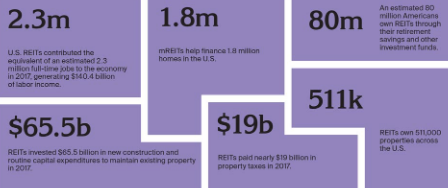
The Real Estate Investment Trusts (REITs) market started in the USA in September 1960, as a way of encouraging investors to participate...


#FrontierInsights
Real Estate
Regulators
Digital Assets