
7 Years Ago

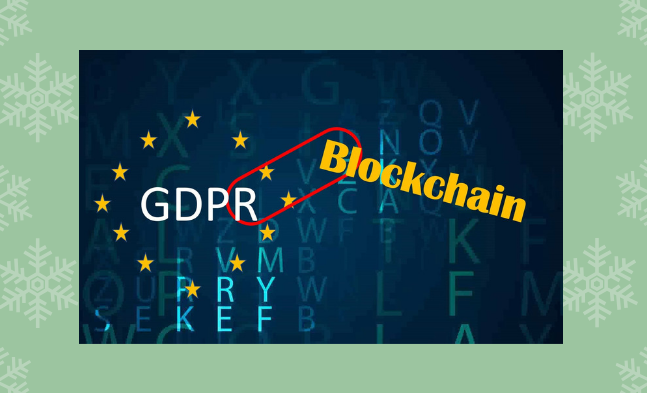
Sam Palmisano, the retired chairman of IBM in a recent interview on Bloomberg said it is hard to come up with a good solution for creating public blockchains which are fully compatible with General Data Protection Regulations (GDPR) in Europe

Blockchains are immutable, so once data has been added it cannot be changed or removed, which is in direct conflict with GDPR.

Palmisano believes that because private blockchain has more centralization, ought to be more compliant, but because public blockchains are very decentralized they struggle to be compliant with GDPR.

Queen Marys and Cambridge Universities have also raised similar concerns. A possible solution is to ensure that Blockchains do not hold personal/ private data so this information would be held off chain where such data could be removed or changed if required at some stage in the future.

#FrontierInsights
Blockchain
Regulatory
https://readwrite.com/2019/03/04/how-can-blockc...compliant/
SWIFT handled on average over 34million messages a day last December and is used by many international banks to settle FX and cash positions daily.

SWIFT has had a virtual a monopoly with global banks but has been facing increasing pressure from RIPPLE, the third most valuable cryptocurrency which is capitalized at over $13 Billion, and at one stage in 2018 had grown in value by a whopping 37,000% in 12 months. SWIFT is now using Blockchain technology and is working with the Singapore stock exchange, HSBC, Standard Chartered, DBS and Deutsche bank to create a more efficient way to handle share voting. The majority of publicly quoted shares are held in nominee accounts and proxy voting has become increasingly difficult and cumbersome.

The new e-voting...


#FrontierInsights
Banking
Blockchain
https://www.chainbits.com/news/swift-partners-w...in-voting/
Alibaba, the world’s biggest FinTech company, which is capitalized at over $453Billion is planning to use Blockchain and Internet of Things (IoT) for its vast international logistics and supply chains.

Alibaba has been experimenting with Blockchain for a while with its Food Trust Framework as it tries to improve transparency, help customers track goods and ensure their authenticity. Using QR codes customers will be able to scan a good and have greater certainty over a product's provenance.

Given Alibaba’s distribution and financial clout, one wonders how long it will be before they launch the AliCoin as a possible way to encourage and reward customers in some form of loyalty scheme. An AliCoin could then be exchanged for goods and services as Alibaba continues its expansion into banking and financial services with...


#FrontierInsights
Blockchain
Fintech
IOT
Logistics And Supply Chain
Supply Chain
https://www.businesstelegraph.co.uk/alibaba-loo...nge-guide/
At $1.4Quadrillion derivatives are the largest set class in the world after FX Now it looks like #Cryptos Are targeting this sector As we have been saying for a while Blockchain can bring transparency and cut out the middlemen. More importantly real time access and monitoring to improve compliance while reducing the cost of compliance... https://www.thetradenewscrypto.com/london-derivatives-exchange-adds-digital-assets-hybrid-platform/?layout=print 
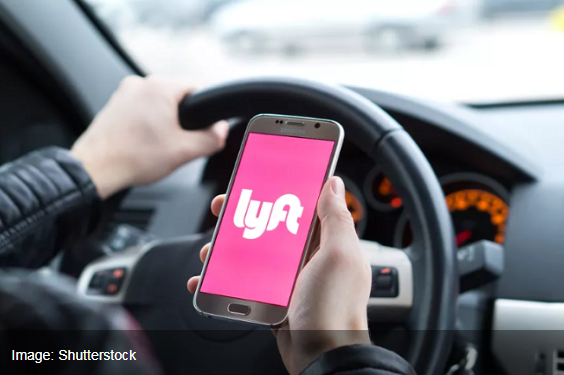
Lyft is the first ridesharing company to file an IPO in February 2019 and has also announced that it is partnering with Solve.Care to schedule transport to and fro for patients appointments to doctors, hospitals or clinics.

The aim is to coordinate and reduce the paperwork between insurers, patients and healthcare providers using automated payments using SLOVE tokens. Blockchain is increasingly being used in healthcare as the technology is ideally suited where data has to be held securely, yet shared by potentially many different parties in multiple locations.

Only last month the pharmaceutical company Boehringer Ingelheim announced it was to deploy Blockchain for clinical recordkeeping and in January 2019 Aetna said it too was starting to use Blockchain.

However, it is not just using Blockchain for clinical records but it is also being used to reduce the...


#FrontierInsights
Blockchain
IPO
http://www.tokenpost.com/Blockchain-healthcare-...-Lyft-1385
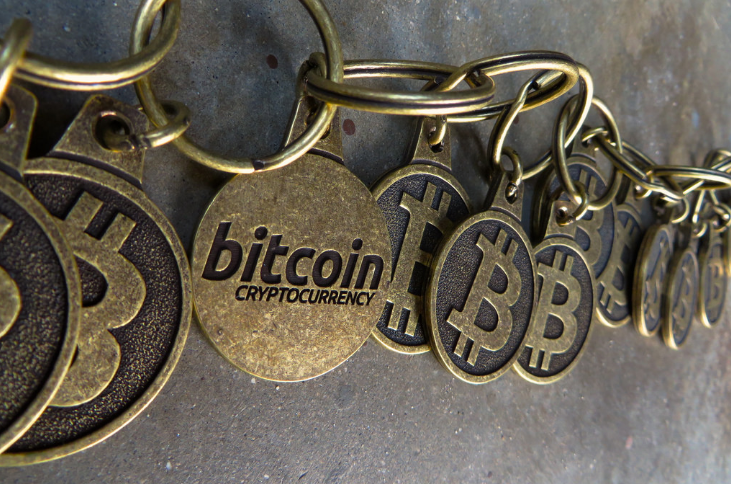
BlockFi, who raised over $54million last year has launched a high-interest account paying 6% p.a. if they hold your Bitcoin or Ethereum assets.

The reason they can pay such high-interest rates is because they lend out your Crypto to other institutions but more importantly, your Digital Assets are held by a custodian independent of BlockFi called Gemini Trust Company. Gemini was co-founded by Cameron and Tyler Winklevoss and is regulated by the New York Department of Financial Services.

This new way to hold Cryptocurrencies is another example of how the traditional and the Digital worlds are converging, as BlockFi are offering in effect an instant-access, high-interest account to depositors while providing institutional asset lending facilities. Because the transactions are stored on a Blockchain...


#FrontierInsights
Banking
Bitcoin
Blockchain
Cryptocurrency
Financial Services
https://www.newsbtc.com/2019/03/06/highest-yiel...-interest/
https://smartereum.com/48869/bitcoin-payment-processor-research-reveals-that-up-to-60-of-cryptocurrency-holders-are-still-afraid-to-make-payments-with-bitcoins-bitcoin-price-or-bank-account/

At least 40% are happy to pay by #Cryptos I suspect within less than 5 years this will double as many will not  even know they are using a Digital Asset powered by #Blockchain to make payments Nor care.....
The Gulf Corporation Council (GCC), which coordinates renewable energy projects in Arabian States in the Persian Gulf has plans to install 80GW of renewable energy and is looking at how Blockchain technology can be used.

The CCC aim is that renewable energy will account for 50% of global energy requirements by 2050 and believes that Blockchain is ideal to track the production and final use of energy. By using Smart Contracts, Blockchains could make the peer-to-peer trade of energy a reality while charging consumers different price to encourage energy to be consumed at times when demand is usually low and capacity is high.

Dubai Electricity and Water Authority (Dewa) and the Dubai Roads and Transport Authority (RTA) are already using Smart Contracts to improve operational efficiencies. Meanwhile, Iberdrola, an energy firm in Spain, revealed earlier this...


#FrontierInsights
Blockchain
Renewable Energy
https://coinnewstelegraph.com/experts-believe-g...nge-guide/
Denver is going to use mobile phones and Blockchain technology to enable voting in their Denver mayoral May 2019 elections, so allowing eligible voters overseas and those on military duty the ability to also vote.

The technology powering this electronic voting has been used for 30 previous elections since 2016 and is provided by a company called Voatz who are owned by Overstock.Com. By trialing voting using mobile phone is to try and increase the % of people who vote and improve transparency. In the recent Mid Term Elections in the US only 47% of eligible people actually voted, which was the highest since 1968 when 49% of people voted.

#FrontierInsights
Blockchain
Smartphones
https://blockchainseo.net/denver-blockchain-mobile-voting/
Blockchain being used to improve food supply chains in the USA - Bumble Bee one of America’s largest food supply companies have announced that it is partnering with SAP and using its cloud based Blockchain technology platform.

Customers will be able to use QR codes on the packaging with their smart phones to trace journey of yellow fin tuna they are buying from the ocean to the shelf. Customers will be able to have transparency and traceability to be sure that the fish is coming from sustainable sources while being sure that the fish is fresh as they will even know...


Latest Comments

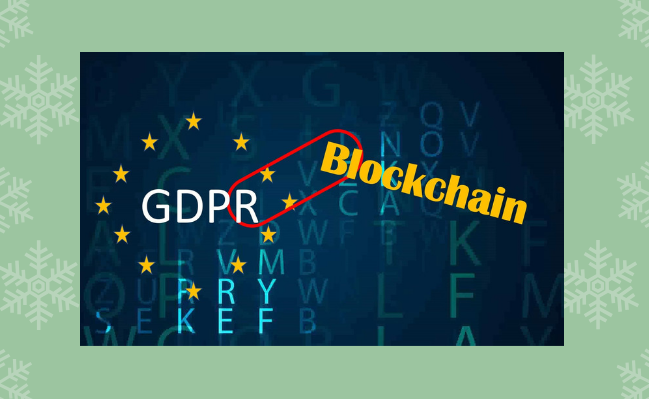
Sam Palmisano, the retired chairman of IBM in a recent interview on Bloomberg said it is hard to come up with a good solution for creating public blockchains which are fully compatible with General Data Protection Regulations (GDPR) in Europe.

Blockchains are immutable, so once data has been added it cannot be changed or removed, which is in direct conflict with GDPR.

Palmisano believes that because private blockchain has more centralization, ought to be more compliant, but because public blockchains are very decentralized they struggle to be compliant with GDPR.

Queen Marys and Cambridge Universities have also raised similar concerns. A possible solution is to ensure that Blockchains do not hold personal/ private data so this information would be held off chain where such data could be removed or changed if required at some stage in the future.

#FrontierInsights
Blockchain
Regulations
https://readwrite.com/2019/03/04/how-can-blockc...compliant/