The success of a mutual fund has, historically, relied on three facets - good performance, confidence/trust in the asset management firm, and strong and effective distribution -because, even if you are best fund manager in the world, if no one has heard of you then it is tough to attract assets to manage. Performance takes time and can be very fickle, as can be seen by the fact that active funds typically underperform the indices that they are supposed to beat. Furthermore, in the past, large banks and insurance companies have had a captive investor- base or have been able to afford to pay to advertise nationally and, in some cases, globally, which has helped them funnel assets into their funds. However, confidence and trust need to be earnt as, after all, why would investors give their savings to an organisation which they did not trust? The regulators recognise this, and one of their main objectives is to ensure that confidence in the financial system is maintained with only honest and trustworthy individuals and organisations being permitted to be regulated and sell financial products. Unsurprisingly, this is why there is a prodigious amount of attention being paid to Neil Woodford, the UK-based disgraced fund manager who is alleged to have ‘broken the rules’ and invested too much into unquoted equities. The fallout of Woodford’s actions continues since one of the UK’s biggest financial advisors and ‘darling’ of many of the UK’s national press, Hargreaves Lansdown, is now being sued.
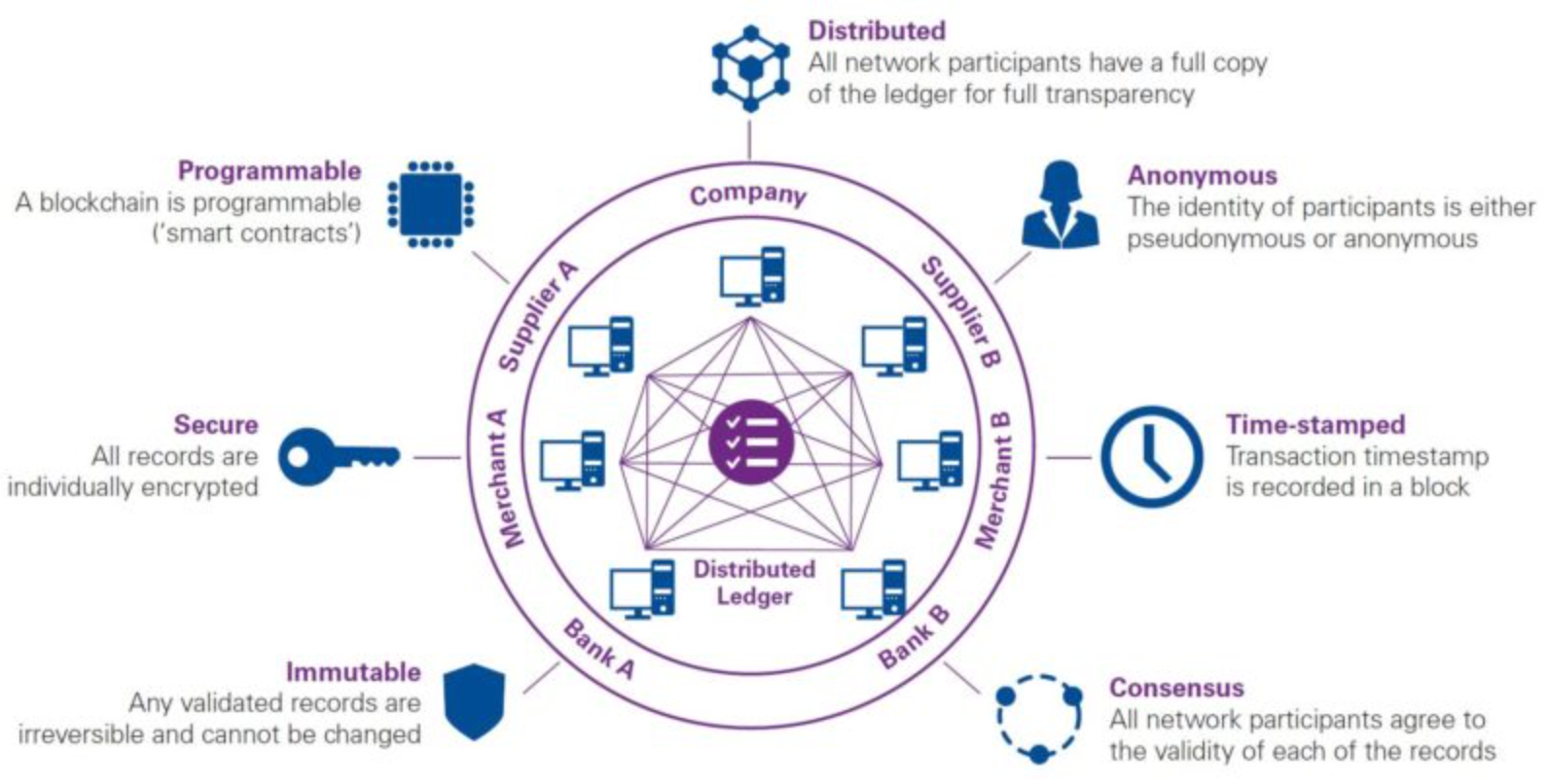
The Woodford fiasco could have been averted had his fund been subject to the rigor and controls required for being on a Blockchain-powered platform, whereby making the fund’s holdings transparent for all to see. Smart contracts could have been employed to automatically inform the regulator, administrator, auditors, custodians, financial advisors, fund analysist and, most important of all, the investors. These parties could have been informed in real time that Woodford had continued to ignore the fund’s stated strategy and was holding too big a % of the fund in potentially illiquid, non-quoted equities. For a while PwC has been saying...
The Woodford fiasco could have been averted had his fund been subject to the rigor and controls required for being on a Blockchain-powered platform, whereby making the fund’s holdings transparent for all to see. Smart contracts could have been employed to automatically inform the regulator, administrator, auditors, custodians, financial advisors, fund analysist and, most important of all, the investors. These parties could have been informed in real time that Woodford had continued to ignore the fund’s stated strategy and was holding too big a % of the fund in potentially illiquid, non-quoted equities. For a while PwC has been saying that Blockchain technology can help mutual funds improve the efficiency of the way that the back-office settlement processes are handled by:
-
reducing costs - fewer reconciliation errors
-
speeding up settlement - faster validation
-
increasing resilience - no single point of failure
-
improving transparency - easier to monitor
There is arguably now a fourth criteria to determine the success in terms of the size of a mutual fund - Environmental Social corporate Governance (ESG). The ESG credential of a fund is a key criterion adopted by more and more investors when making investment decisions, whether it be the fund managers in their selection of assets, or by advisors (or investors) when purchasing a mutual fund. This helps to explain why companies that offer fund analysis for financial advisors such as RSMR, are seeing increased demand from investors for this type of information. Again, a report from PwC claims that 77% of institutional investors plan to stop purchasing non-ESG products and in this same report PwC states further that: “ESG fund assets will account for more than 50% of total European mutual fund assets by 2025 at an annual growth rate of 28.8%.” The added transparency that Blockchain technology offers can enable fund managers to assess the ESG credentials of an equity or a bond and, in turn, blockchains can be used to show investors’ ESG credentials for a fund and how these ESG scores have worsened or improved over time. As the Institutional Asset Manager publication pointed recently reported: “Capco says that new technologies could improve ESG ratings, noting the growing use of “impact tokens” on blockchain as a way of offering proof that a positive impact has been delivered and attributing it to a particular investment.”
When looking at mutual funds, Blockchain technology can help asset managers, regulators and investors bring greater transparency to what has been a complex investment surrounded by acronyms and technical language which many private investors struggle to understand (assuming the small print has been read). Possibly, and more importantly, the use of Blockchain technology can greatly assist in the on-going regulatory monitoring, thus helping investors decide whether to keep the fund or not. The use of smart contracts can identify anomalies and raise attention in real time meaning compliance managers are able to spend their time on managing risks and potential breaches, as opposed to checking data and records which may be days or weeks out of date. Blockchain technology also allows greater transparency as regards the ESG credentials of a fund and its underlying assets, which would appear to be a key demand for investors. Therefore, because of this, will we see the adoption of Blockchain technology being ushered-in by regulators and compliance departments since it offers the potential to reduce costs and improve an asset manager’s compliance regime? Now that combination is very valuable and difficult to ignore….